My Accelerated Instrument Training at EZ IFR
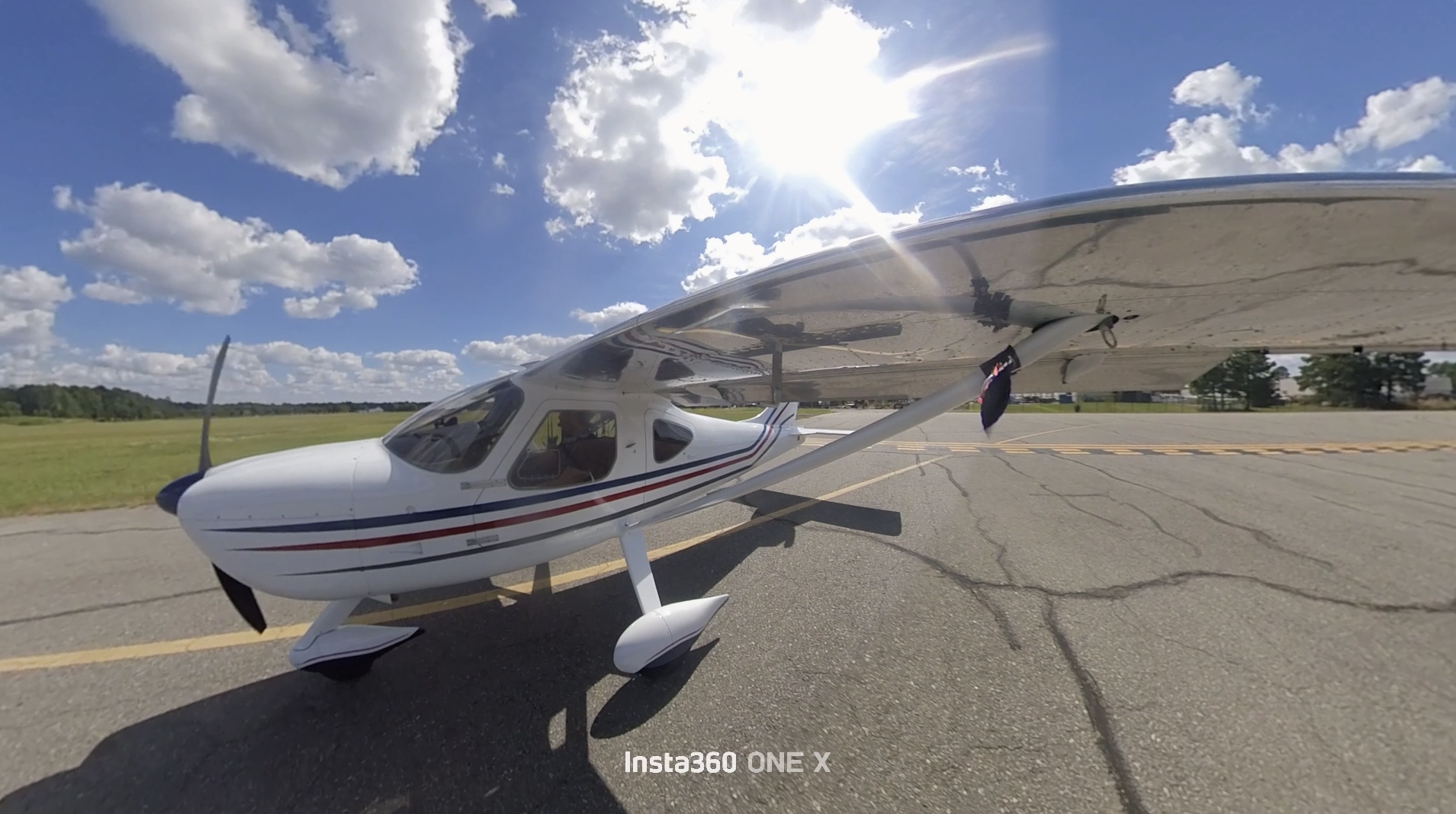
My friend Doug and I flew N18TA from KOFP to Natchez, Mississippi, for the accelerated instrument course at EZ IFR. We went there to train and take our checkrides in our own airplane. What followed was demanding, exhausting, and extremely effective—and I came home with my instrument rating.
Getting there without the rating
The flight to EZ IFR Flight School in Natchez MS took nine hours. Neither Doug nor I was instrument-rated yet, so we had to maintain VFR the entire way. Before the course even began, getting ourselves and N18TA there was a substantial part of the undertaking.
We also had to plan for more than the course itself. Lodging, meals, and transportation were not included in the course cost. This was a trip that required both a financial commitment and time away to focus on training.
A full-immersion routine
Our days combined classroom preparation for the oral portion of the checkride with hours of flying. While one of us took N18TA out to practice approaches, the other worked on the ground material. The routine included about half a day in class and back-to-back approaches for several hours, in both simulated and actual instrument conditions.
The CFIIs were motivated and competent. They challenged us with crosswinds we were not used to and kept the training demanding. We practiced ILS approaches, DME arcs, and RNAV approaches—but most of all, VOR-A approaches.
One of the biggest benefits of training in our own airplane was getting very specific about how to fly it. The course helped us pinpoint the engine settings that worked for each phase of flight and approach in N18TA. We were not just preparing for a checkride; we were becoming much more familiar with our airplane in the process.
The workload behind the logbook
Between February 19 and 28, my logbook recorded:
- 37.6 hours of flying
- 44 approaches
- 27.1 hours of simulated instrument time
- 3.1 hours in actual instrument conditions
Those numbers reflect how concentrated the training was, but they do not capture the whole workload. We would return to the hotel after 10, 12, sometimes 13 hours of work, grab something to eat, and then go straight back to studying.
The oral exam was always looming. Even after a full day of flying and classroom work, it was hard to put the books down without thinking about what we still needed to know. The pace was exhausting, but it was also extremely effective.
A delay we had not planned for
Our checkride dates had been booked in advance, and we were very happy with how EZ IFR handled the course for us. Then, the day before the checkride, the designated pilot examiner had to cancel because of illness. That did nothing to ease our anxiety.
We had to extend our stay by three days. At first, that was another complication at the end of an already demanding stretch. It turned out to be a blessing in disguise.
The extra time let us work on weak areas and consolidate what we had learned. It also gave us an opportunity to build time toward the commercial requirements. Rather than simply waiting for the checkrides, we were able to put the delay to use.
Worth the effort
We took our checkrides in N18TA, the same airplane we had brought to Natchez and used throughout the course. I left with my instrument rating and a much more precise understanding of how to configure our airplane through the different phases of an approach.
Participating in the course was a great decision and a worthwhile investment. It demanded long days, sustained concentration, and plenty of studying after we were already tired. For me, the results made that effort worth it, and it is an experience I would recommend to an aspiring instrument pilot.
← Back to Road to the Flight Deck