SEPTEMBER 15, 2026
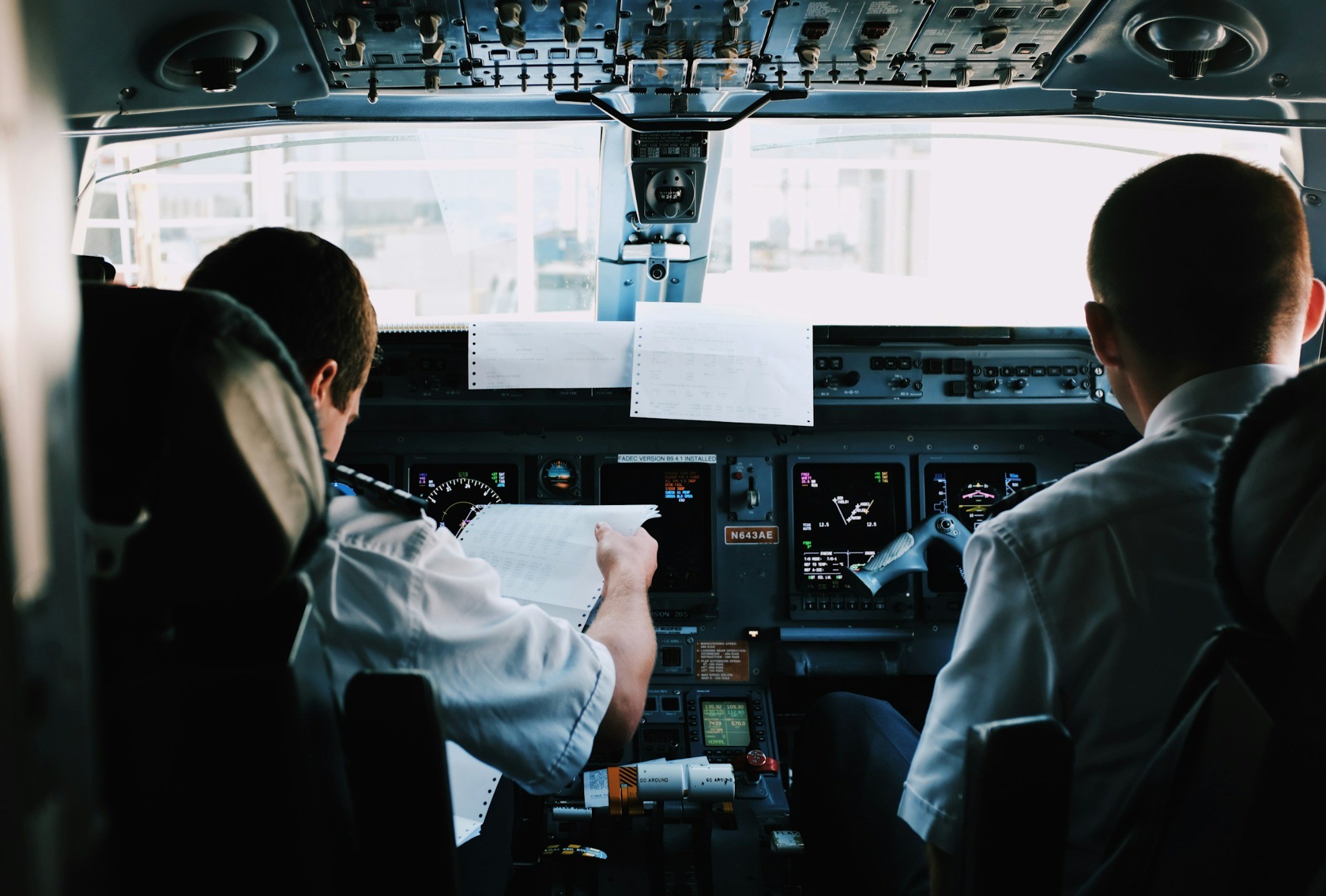
The Pilot Hiring Outlook: What the Numbers Really Say About the Next Five Years
The pilot hiring outlook: workforce numbers, airline trends, and what aspiring pilots can expect.
I spent years dreaming about flying. At 45, I decided to stop putting it off and turn that dream into a new career — one flight, one certificate and one challenge at a time.
At 45, I decided to pursue a completely new career in aviation while continuing to work a regular 9-to-5 job.
I’m not approaching this with unlimited time or an unlimited budget. Like most people, I have work, responsibilities, bills and a life outside aviation. Every hour of training has to fit somewhere, and every step toward the flight deck has to be planned and paid for.
This site is my personal record of that journey — the training, certificates, hour building, setbacks, accomplishments, decisions and lessons that come with trying to turn a lifelong interest in flying into a professional career later in life.
Along the way, I’ll share what I learn for anyone considering a similar path, particularly other late bloomers wondering what pursuing aviation alongside a full-time job actually looks like.
You’ll also find stories from flying N18TA, aircraft ownership, training experiences and other aviation topics that I find interesting or useful enough to share.
No unlimited budget. No shortcut. Just a new goal at 45 and the determination to see where this road leads.
This is the story of my journey from general aviation toward a professional cockpit—the successes and setbacks, the flights and lessons, and the decisions shaping the path along the way.
Building flight time matters, but every hour should serve a greater purpose: becoming a safer, more capable, and more experienced pilot—and ultimately doing the job I have always wanted to do.
From October 2024 through the checkride, I logged 64.0 hours across 44 entries: 38.2 hours dual, 21.5 solo, 25.7 cross-country and 185 landings. Much of the training happened after working a night shift, when I often arrived at the airport already exhausted. I did not pass my first checkride attempt because of unsatisfactory crosswind correction on landing. I returned, addressed the weakness and completed the checkride on May 7.
Read the article →My friend Doug and I flew N18TA from KOFP to Natchez, Mississippi, for the accelerated course at EZ IFR—and took the checkride in our own airplane. Between February 19 and 28, my logbook records 37.6 hours, 44 approaches, 27.1 hours of simulated instrument and 3.1 hours in actual conditions. The pace was demanding and exhausting, but extremely effective. Ten days after starting in Natchez, I left with the instrument rating.
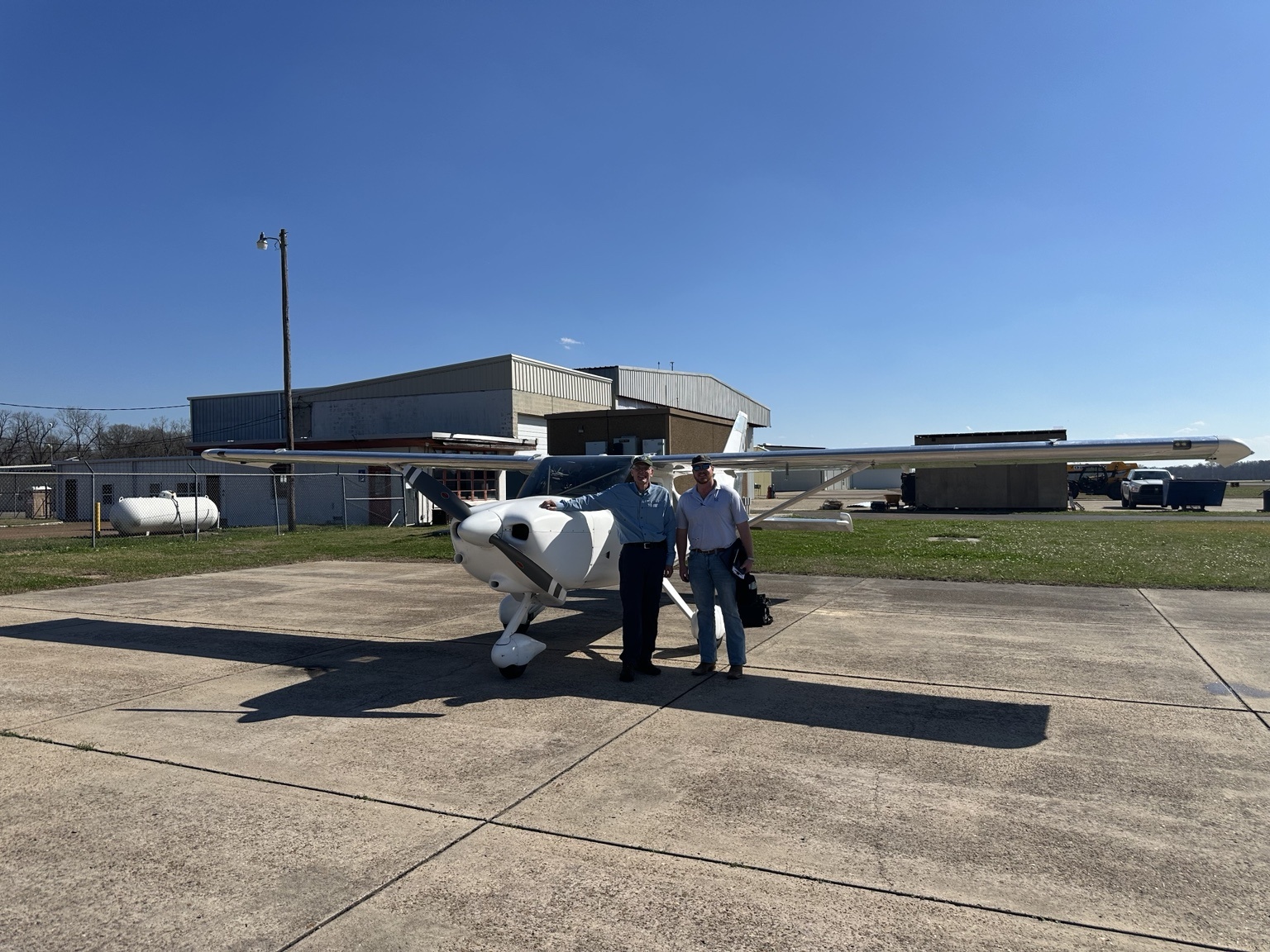
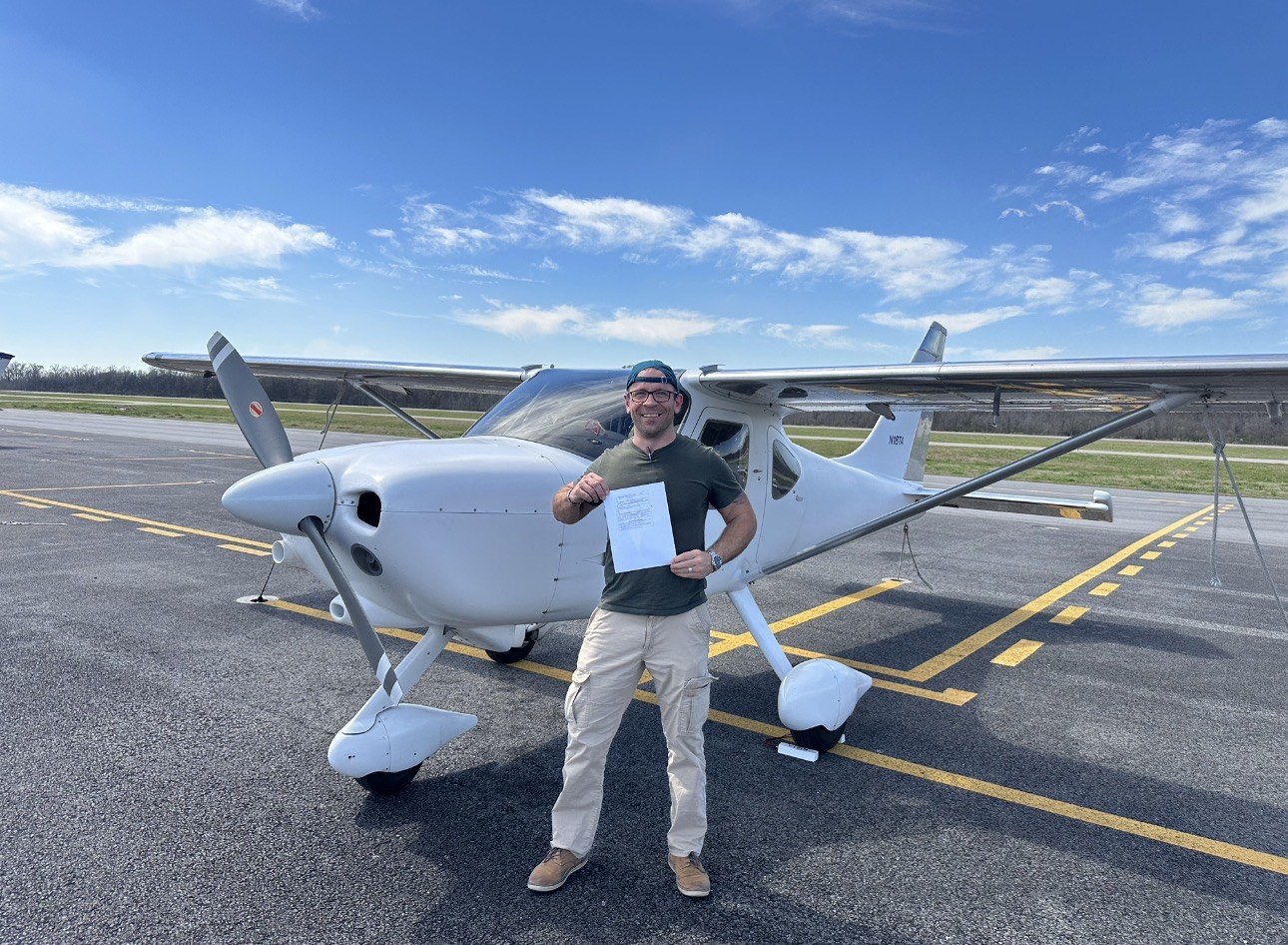 N18TA before the paint job 😊
Since the instrument checkride, I have logged 19.3 hours in N18TA, bringing the logbook total to 226.3 hours, with 188.1 hours as PIC (Part 61). The focus now is on commercial maneuvers (with the guidance of a local CFI), continued instrument practice, night currency, and tighter control of the airplane. This phase culminates with the commercial checkride, which I plan to take before the end of 2026. Until then, the objective is measurable improvement rather than simply increasing the logbook total.
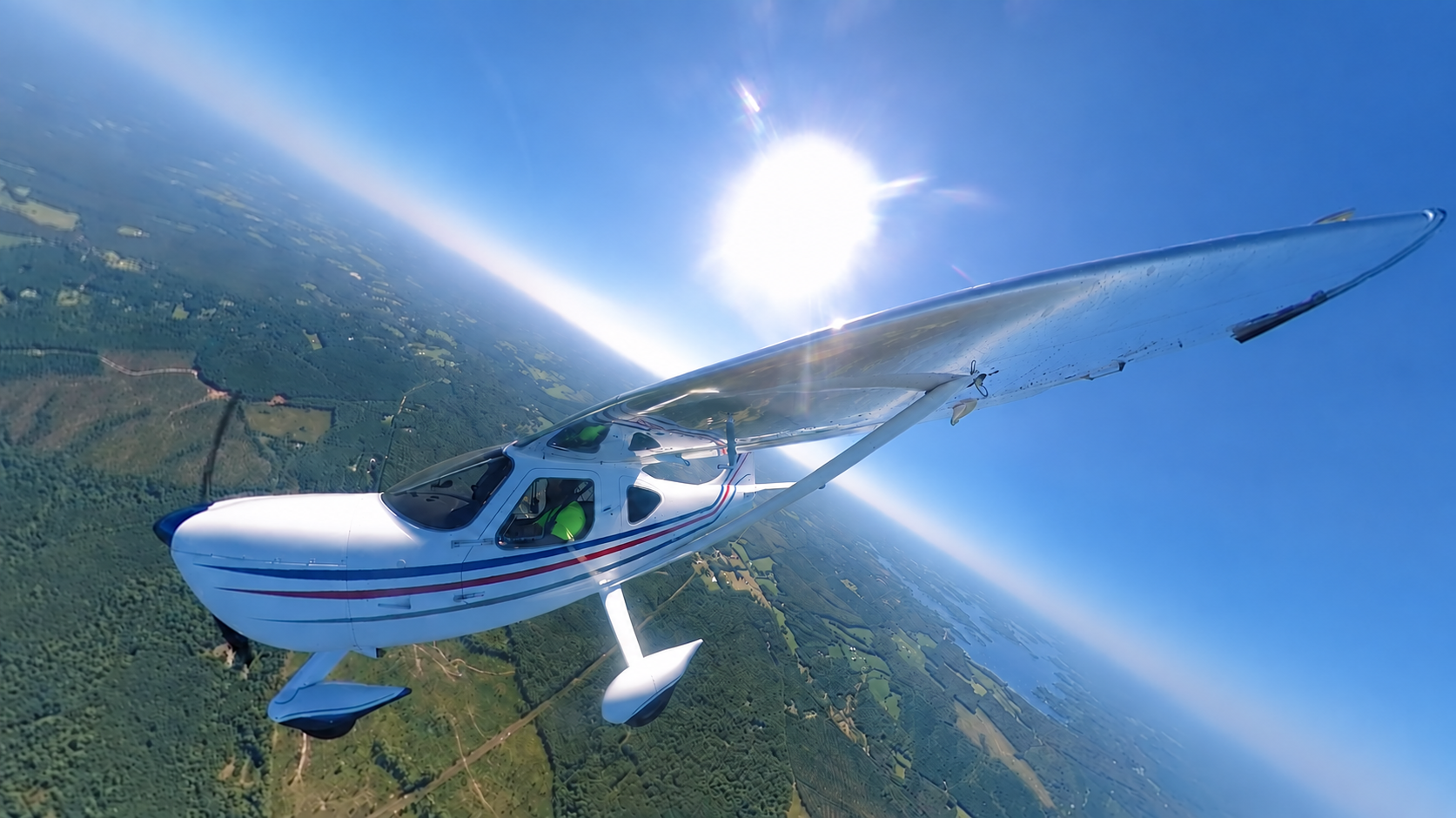
N18TA isn't simply an airplane we fly. It's an Experimental Amateur-Built Glasair Sportsman — the result of seventeen years of persistence, craftsmanship, friendship and problem-solving.
Today, N18TA is owned by four friends: Stratford, Dee, Doug and me. But the story of the airplane began long before I became part of it.
Stratford, Dee and Doug, together with their friend Russell, purchased one of the early Glasair Sportsman kits and set out to build their own airplane from scratch. What followed was a project that would span approximately seventeen years.
For much of its life before becoming a flying airplane, N18TA lived in Russell's garage. As an Experimental Amateur-Built aircraft, it wasn't rolling down an assembly line somewhere. It was being created piece by piece by the people who would eventually fly it.
Every component fitted, every system installed and every decision made became part of the airplane's individual history. Life continued around the project, years passed and the airplane slowly took shape.
That history is a large part of what makes N18TA special. When you sit in the cockpit today, you're sitting inside something that friends spent a significant part of their lives creating with their own hands.
N18TA was originally powered by a Subaru-based aircraft engine conversion — one example of the freedom experimental aviation gives builders to explore different solutions.
The idea ultimately didn't work out as hoped. After a series of malfunctions, the group decided it was time for a change. The Subaru was removed.
The solution came through their friend Rick, who had a used Lycoming O-360 in exceptional condition. The group purchased the engine, giving the Sportsman a proven and traditional aircraft powerplant.
Today, that Lycoming O-360 turns a 74-inch Hartzell propeller and is equipped with dual P-MAG electronic ignition.
The two electronic ignition units provide dual-ignition redundancy while bringing modern ignition technology to the traditional Lycoming powerplant. It's a combination that fits N18TA particularly well: a proven aircraft engine paired with technology selected by the builders for their own airplane.
N18TA may have spent years taking shape in a garage, but the airplane that emerged is equipped with a remarkably capable cockpit.
At the center of the panel are Grand Rapids Technologies HX EFIS displays, providing primary-flight and multifunction-display capability.
Navigation is centered around a Garmin GTN 650 GPS/NAV/COM, with a Garmin GTR 200 providing additional communications capability and a Garmin GTX 327 handling transponder duties.
A Trio Pro Pilot provides autopilot capability, while a PMA8000BT audio panel manages cockpit audio and communications.
Together, these systems make N18TA a capable platform for cross-country and instrument flying while retaining the individuality and flexibility that make experimental aviation so interesting.
I joined N18TA's story later than the others.
I wasn't there for those seventeen years in Russell's garage. I didn't install the first components or experience the long process of watching a collection of parts slowly become an airplane.
But today I have the privilege of being one of its four owners and helping write the next part of its history.
That's one of the things I love about experimental aviation. An airplane can carry much more than passengers and baggage. It can carry the fingerprints, decisions, frustrations, ingenuity, friendships and memories of the people who built it.
For Stratford, Dee, Doug, Russell and everyone else who played a part in getting it into the air, N18TA represents years of work that eventually became a flying machine.
For me, it has become something else as well.
It's the airplane in which I'm building experience, exploring new places, becoming a better pilot and continuing my own road toward the flight deck.
Seventeen years went into building N18TA.
Now we get to fly it.
The pilot hiring outlook: workforce numbers, airline trends, and what aspiring pilots can expect.
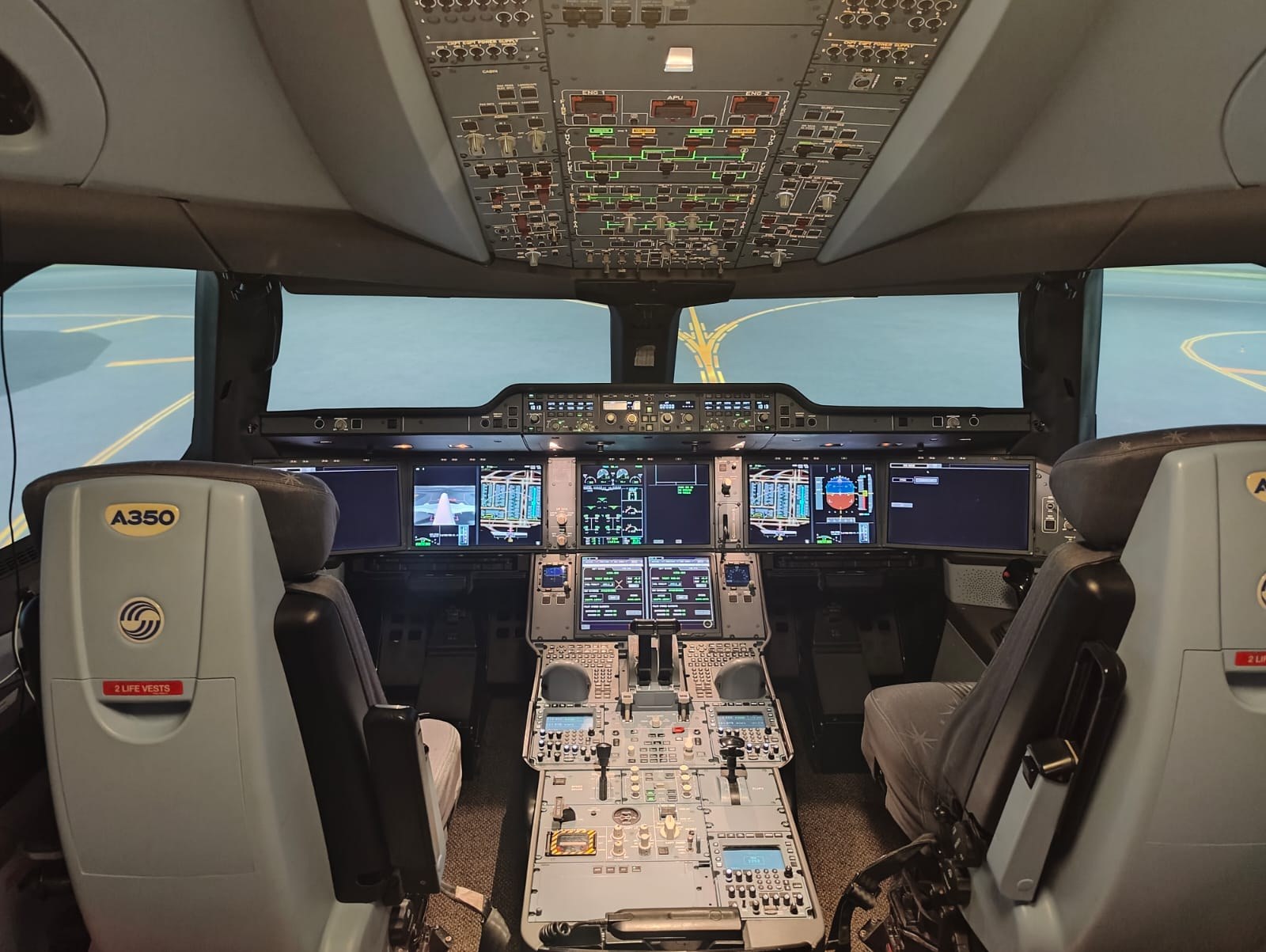
Could EQP make the airline path easier? I look at eligibility, hour requirements, costs, and the evidence I would want before changing plans.
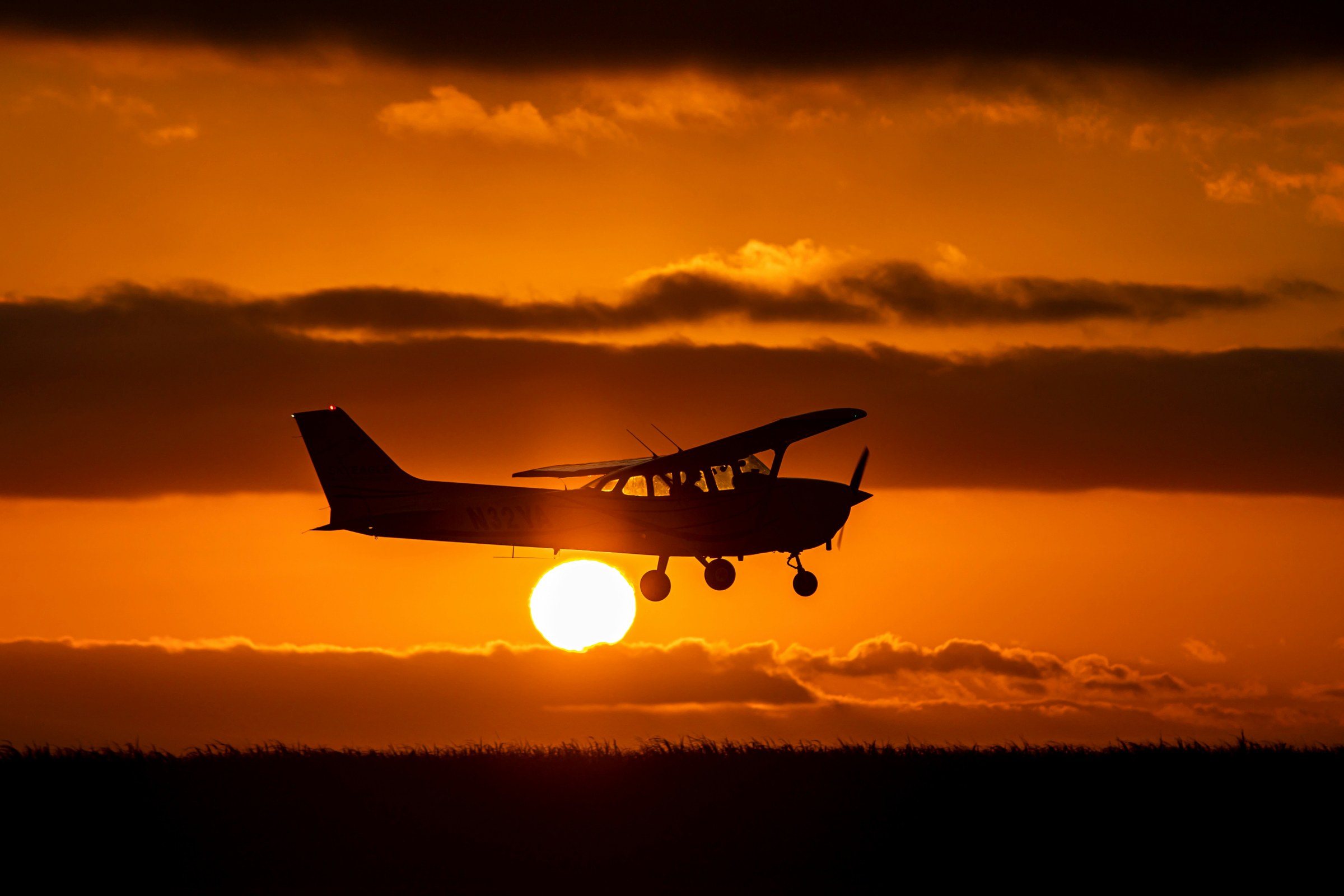
Purposeful flights, consistent practice and realistic cost planning can make hour building about more than reaching a minimum.
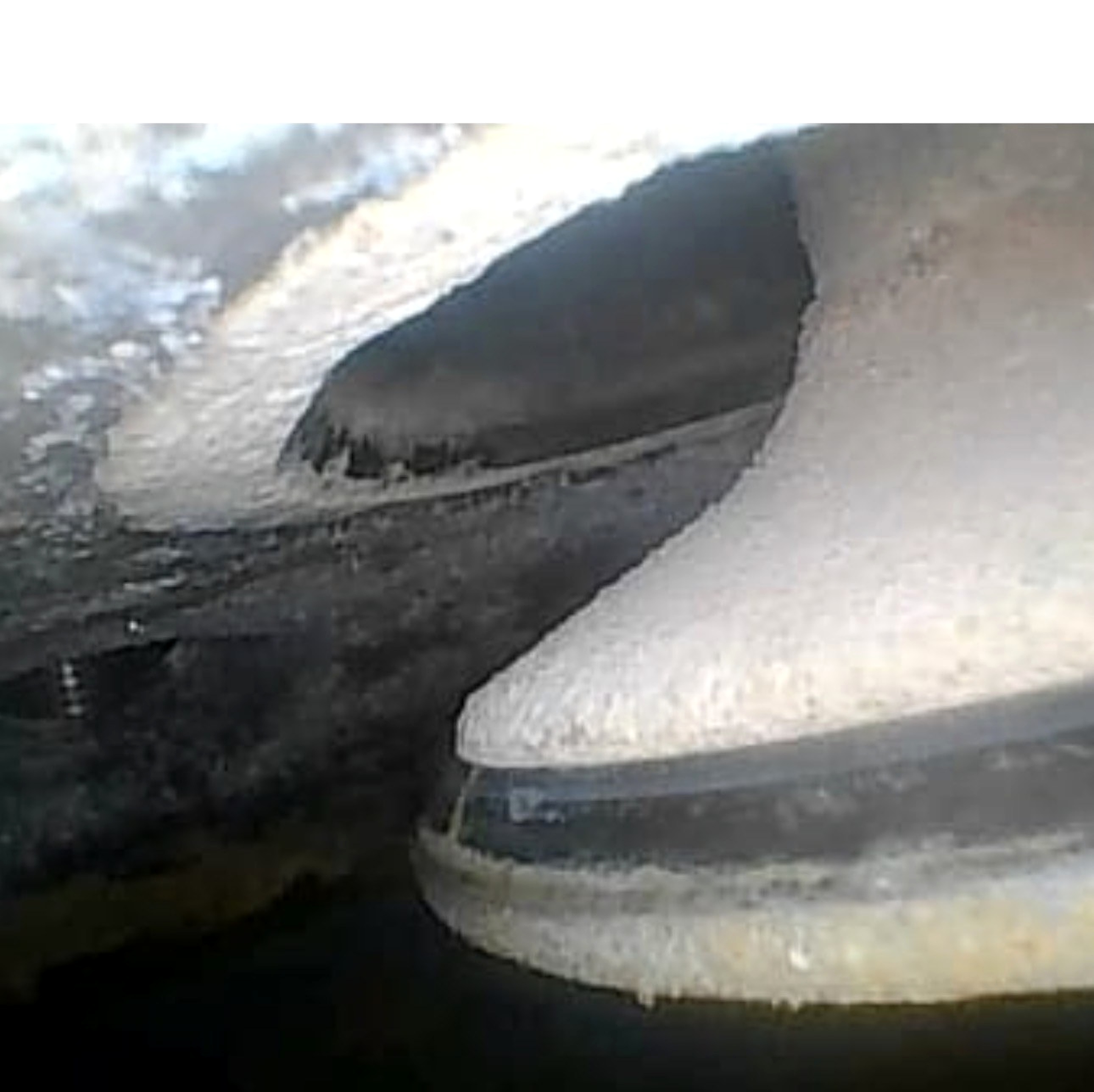
Borescope evidence, compression readings, and our careful experience lapping the No. 1 exhaust valve on a Lycoming O-360.
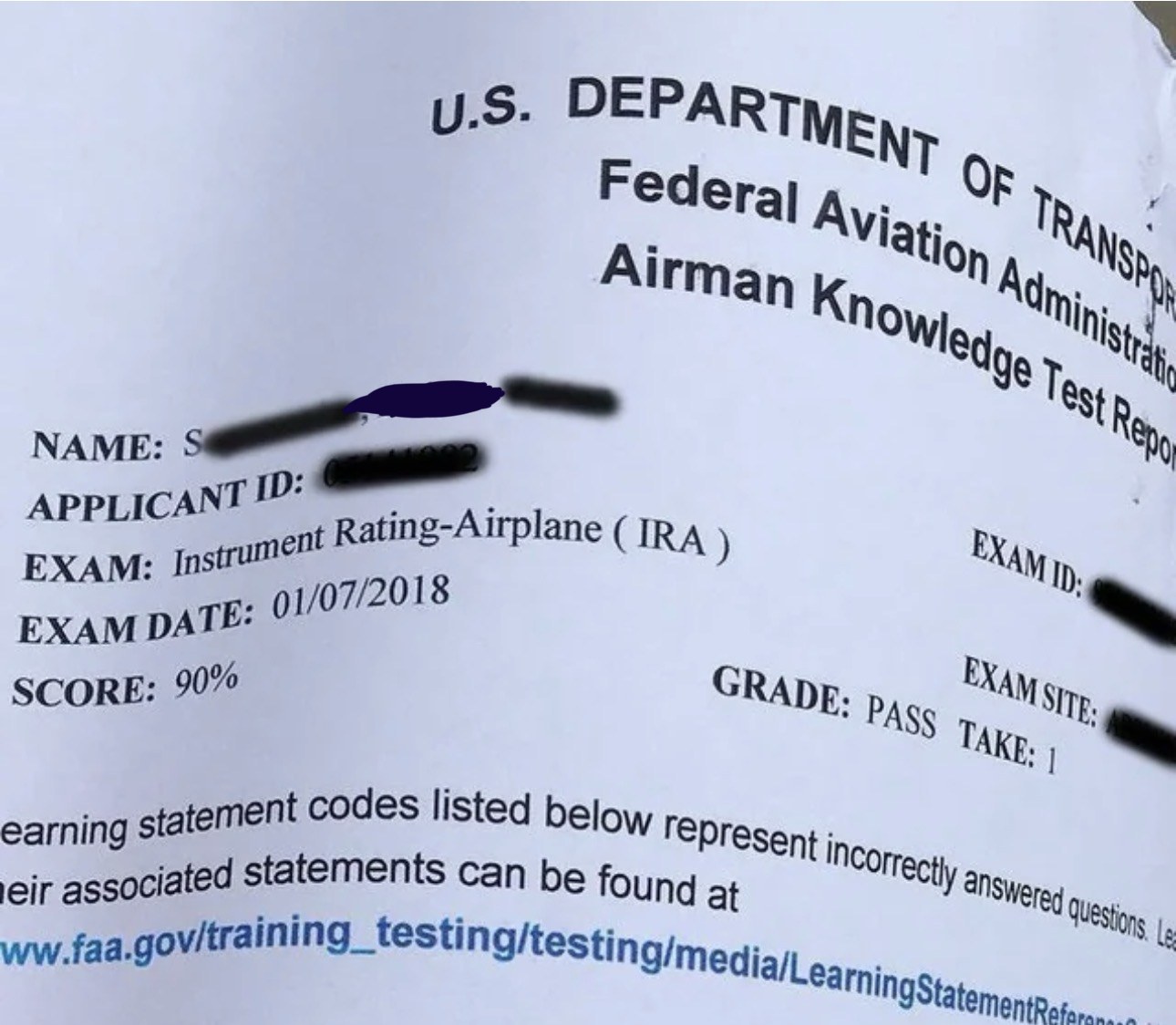
New instrument-airplane questions arrive October 26. Here’s how I’d practice unfamiliar images—and separate the confirmed changes from the speculation.
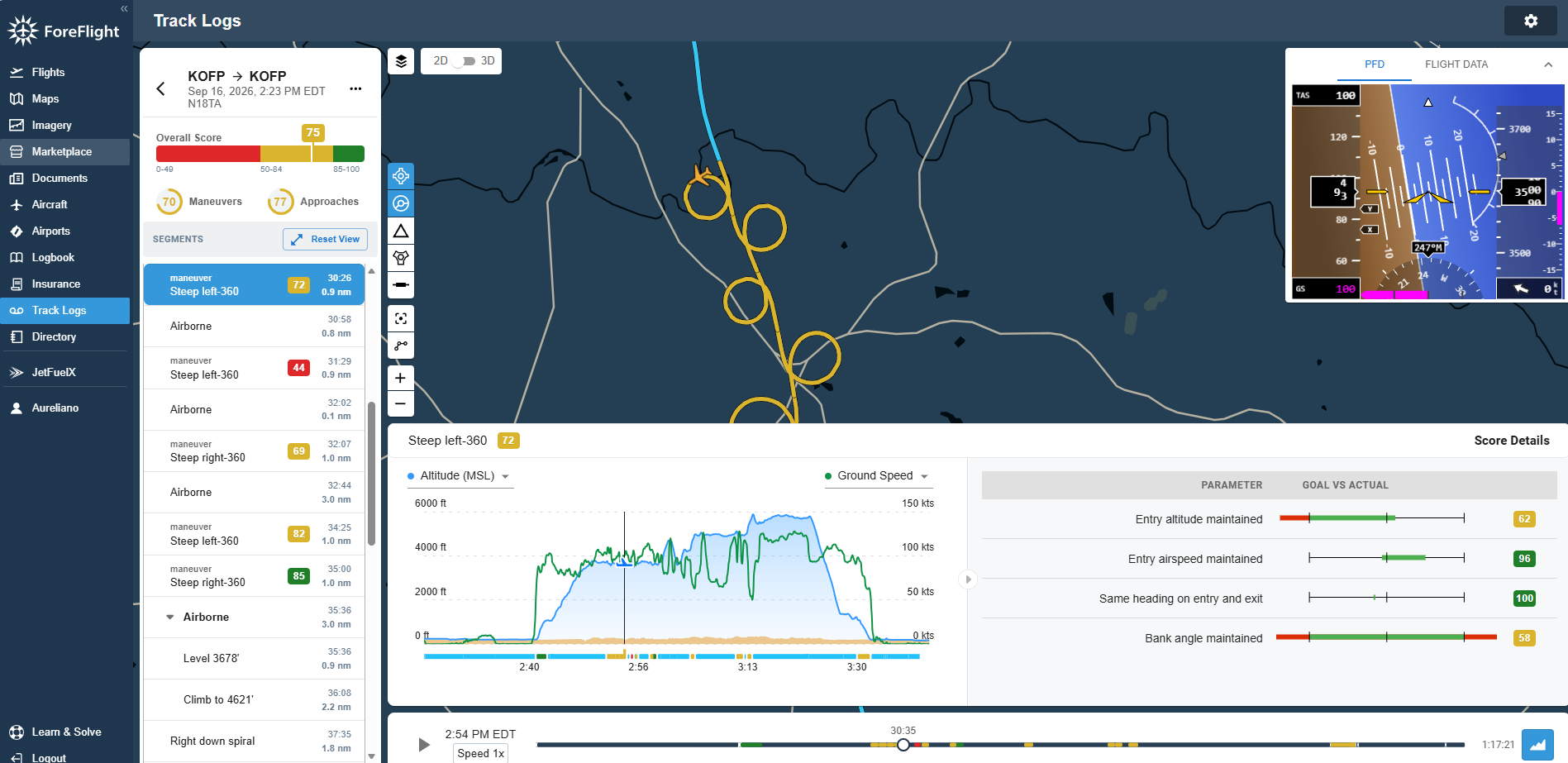
I want to compare ForeFlight’s maneuver scores with independent instructor notes—and find out where the app helps, misses context, or leaves questions.
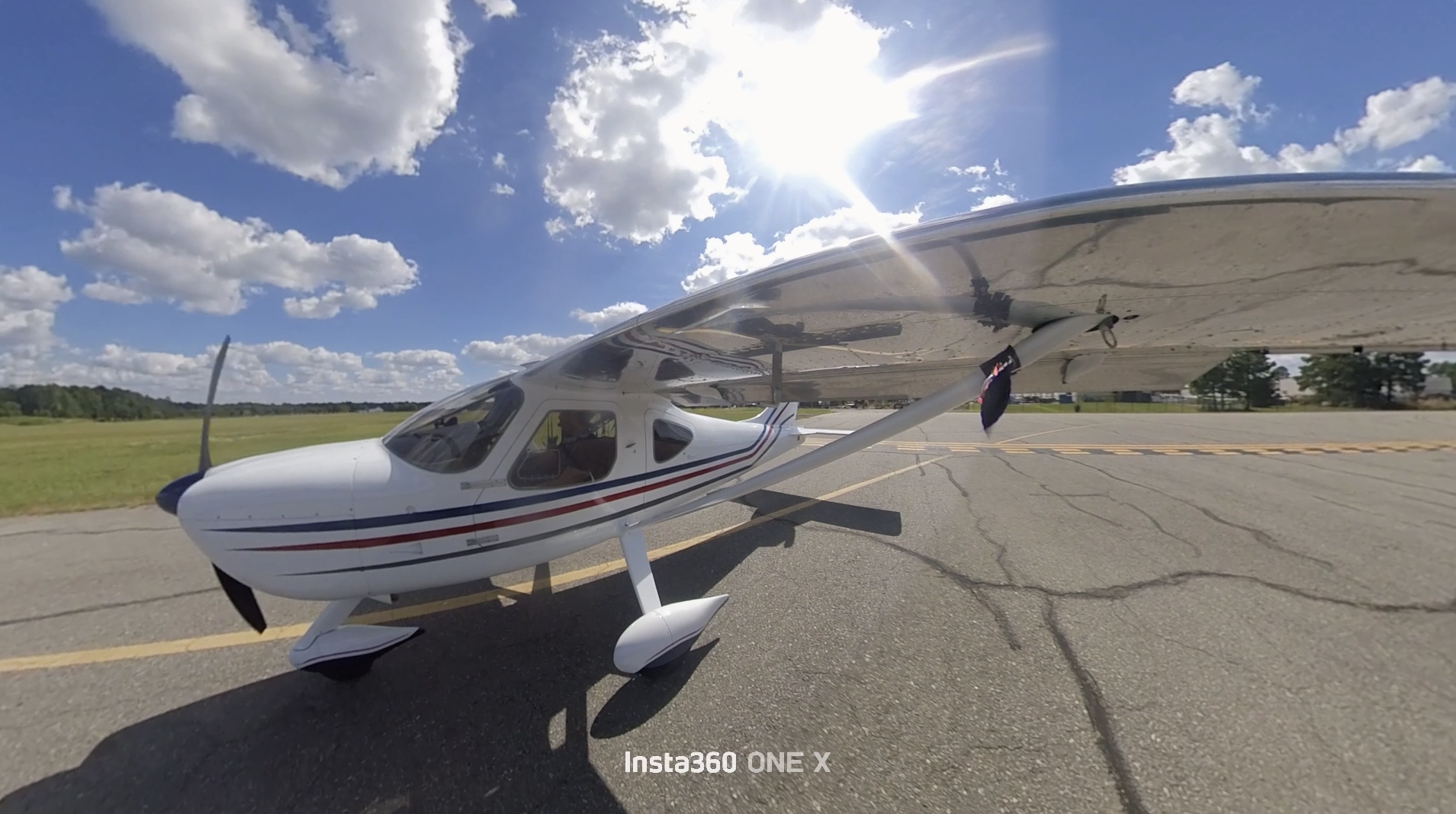
Doug and I took N18TA to Natchez for accelerated instrument training: long days, 44 approaches in my logbook, and a last-minute checkride delay.
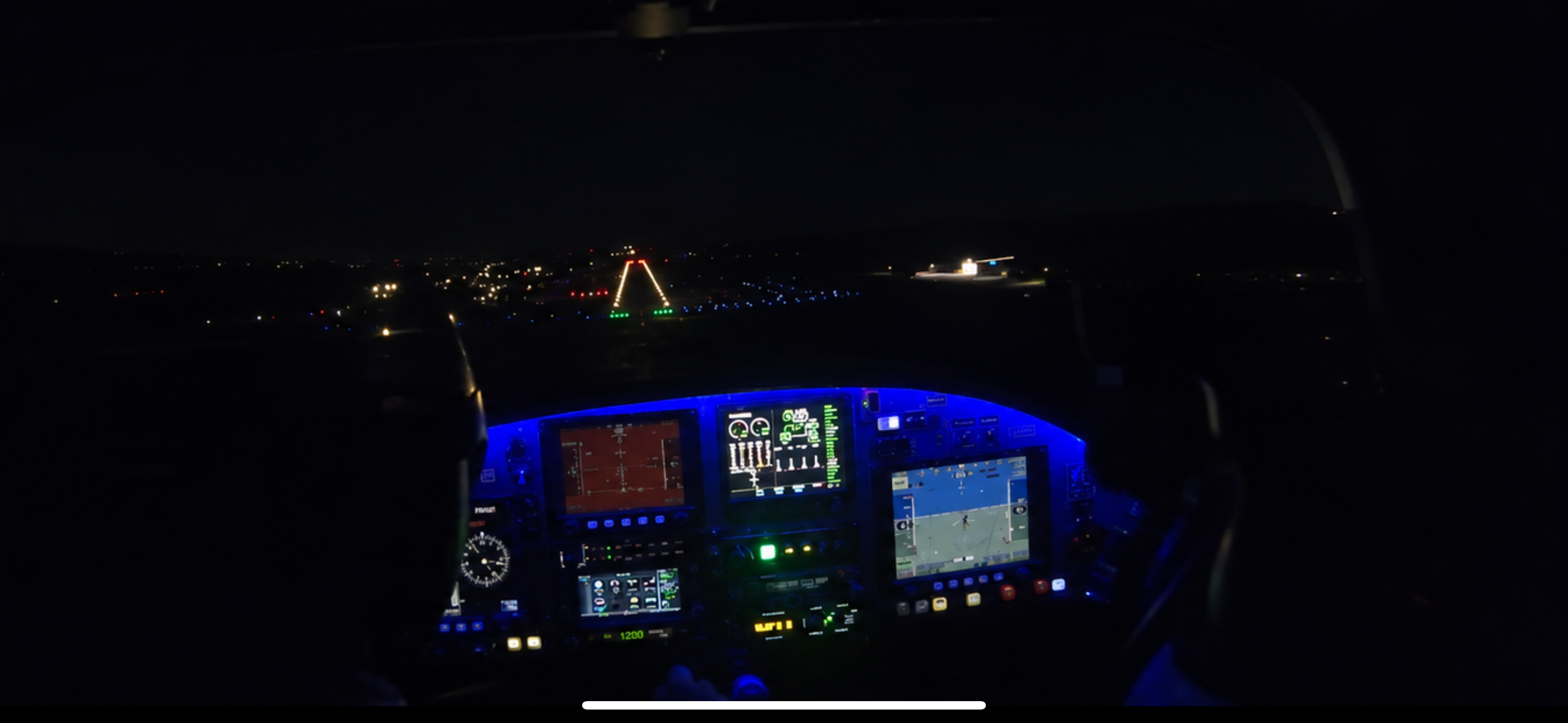
At around 11 hours of flight time, the right seat was suddenly empty. Three trips around the pattern changed everything.
Flights, photographs, videos, lessons and milestones from the continuing journey toward professional aviation.